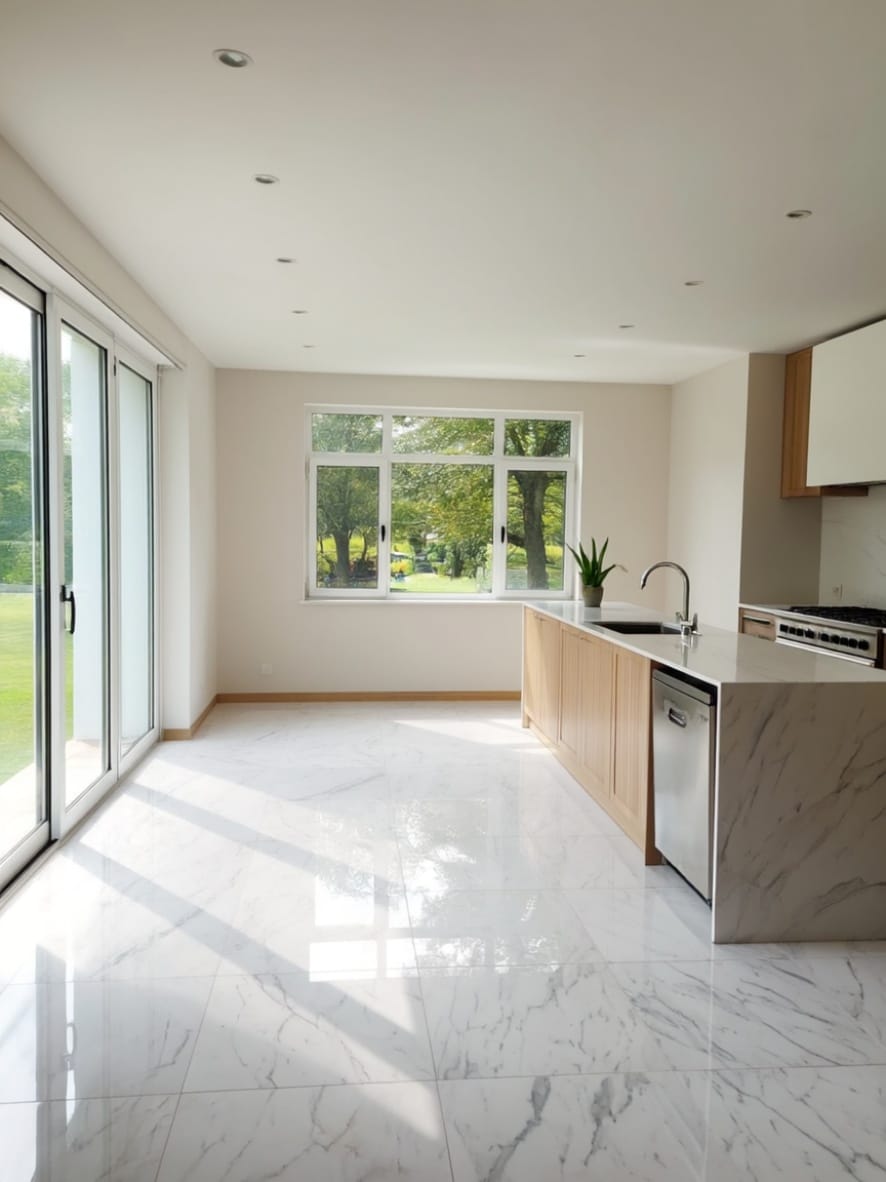
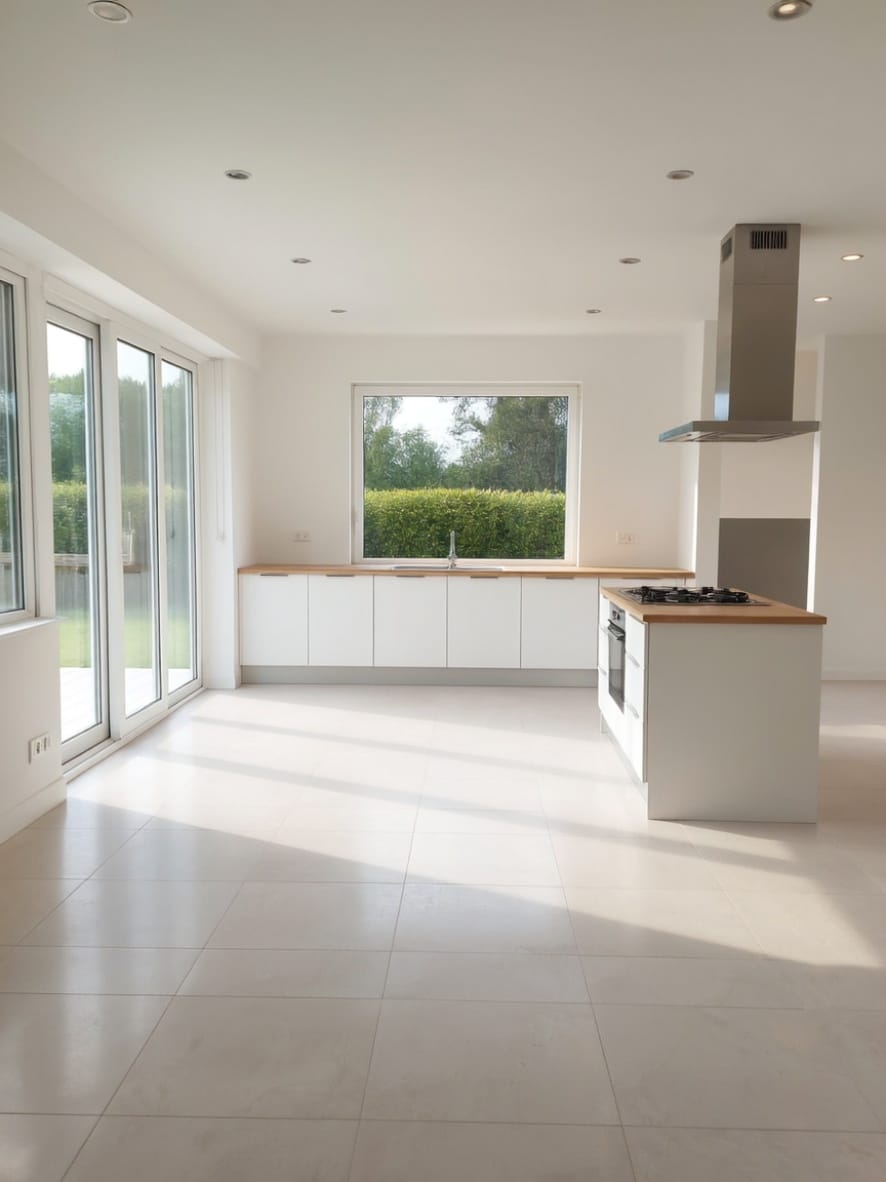
After Builders Cleaning
• Removal of fine construction dust from all surfaces
• Cleaning paint splashes, plaster marks and residue
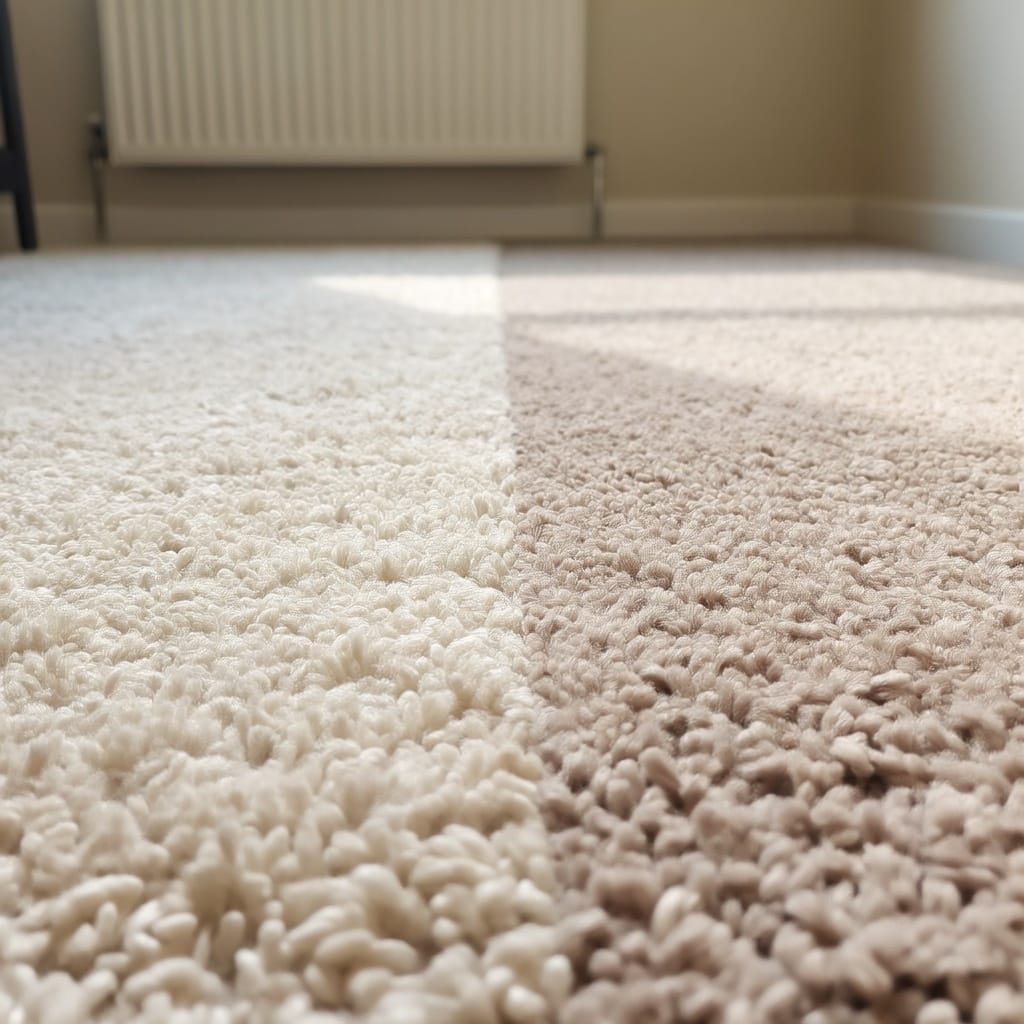
• Deep cleaning of floors, skirting boards and corners
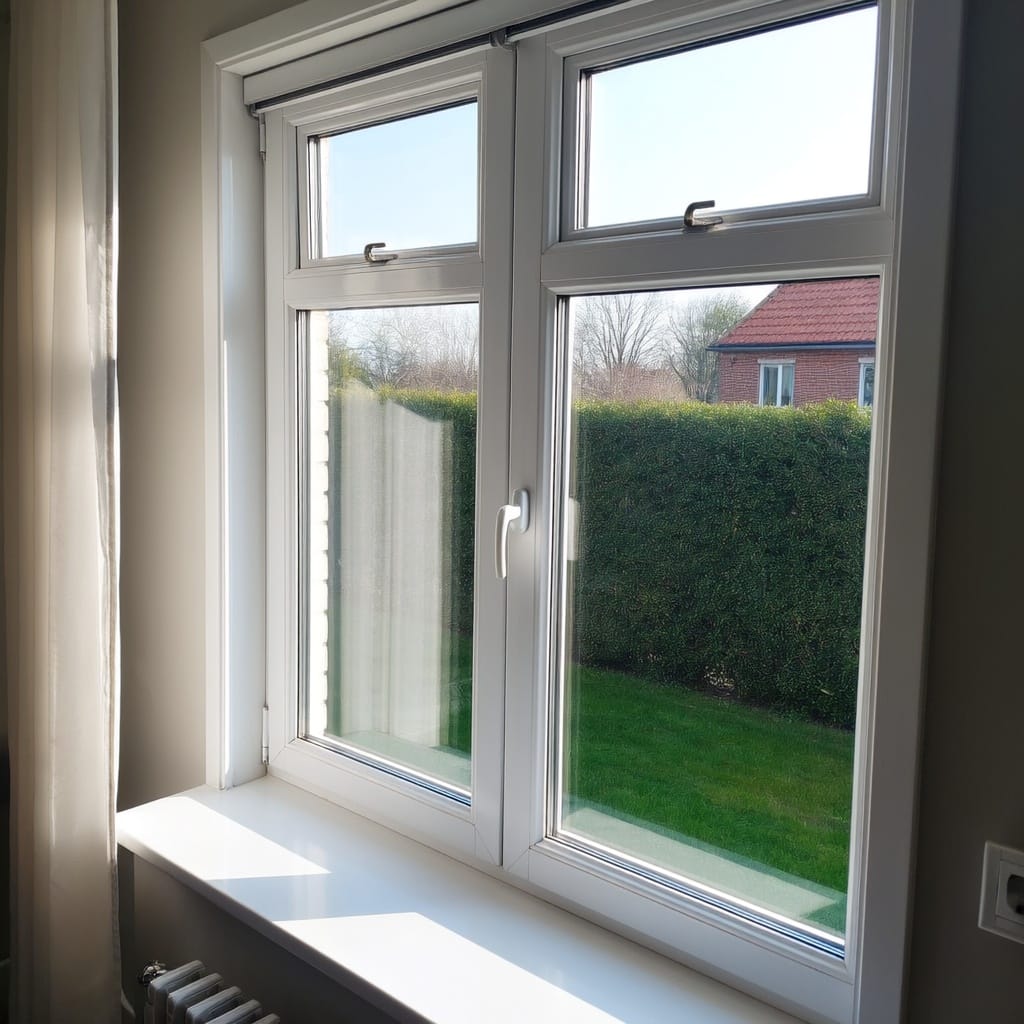
• Window and glass cleaning to remove dust film
• Detailed wipe-down of fixtures, fittings and surfaces
After building work in Reading, dust settles everywhere, including areas that look clean at first glance.
Fine particles from plaster and sanding often sit in corners, sockets and along edges where standard cleaning won’t reach.
This service focuses on removing that residue properly so the space is safe and ready to use.
It’s typically needed before moving back in or handing the property over after renovation.

After building or renovation work, most of the mess isn’t obvious at first glance. In Reading properties, especially terraced houses and flats, fine dust from sanding, plastering and cutting materials settles into every surface — not just floors, but window frames, skirting boards, sockets and even inside cupboards. A quick wipe or vacuum usually spreads it around rather than removing it fully.
At My Cleaners Reading, after builders cleaning is approached differently from standard cleaning. The focus is on controlled removal of dust and residue, working from top to bottom so particles aren’t reintroduced to areas already cleaned. This is especially important in smaller Reading properties where space is limited and dust travels easily between rooms.
One of the most common issues is plaster dust. It’s very fine and tends to cling to surfaces, especially painted walls and wooden fittings. If the wrong method is used, it smears rather than lifts. That’s why proper vacuuming with HEPA filtration and careful wiping techniques are used to remove it without leaving a film behind.
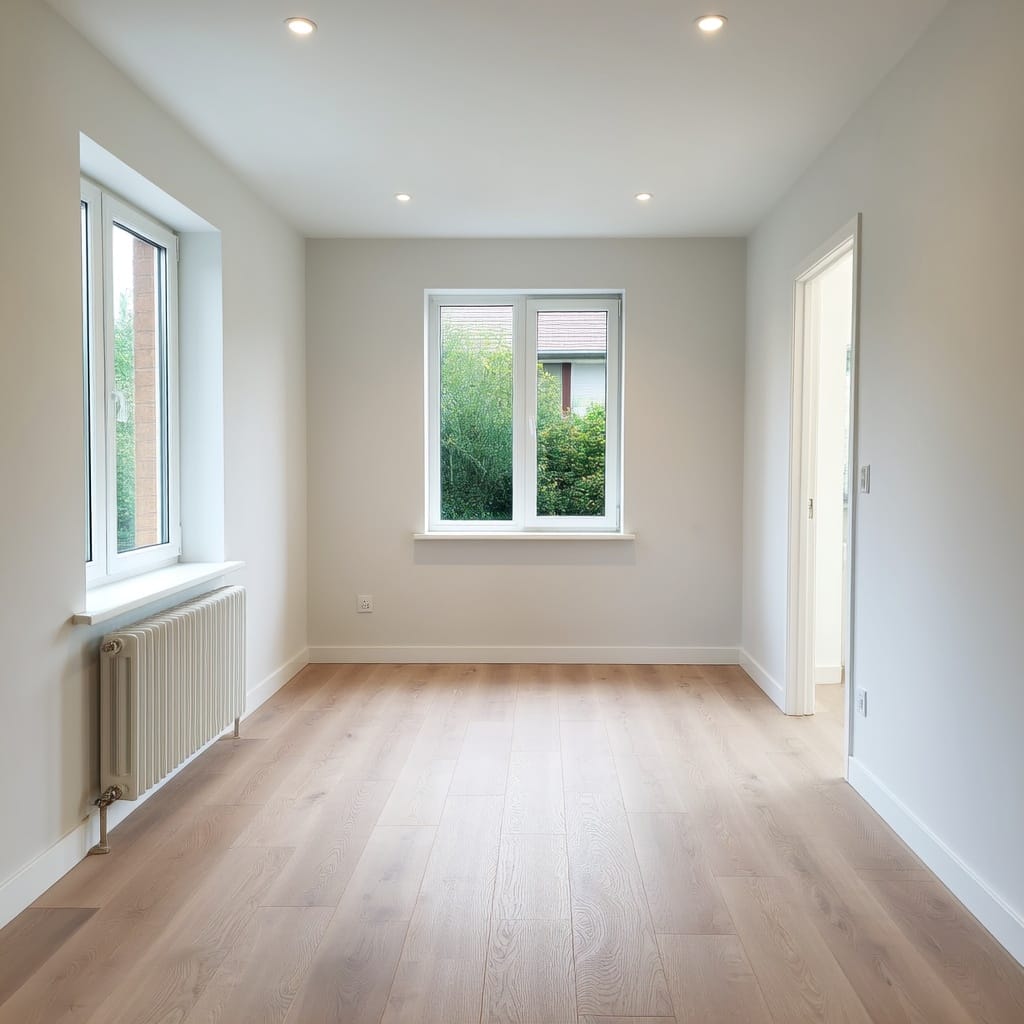
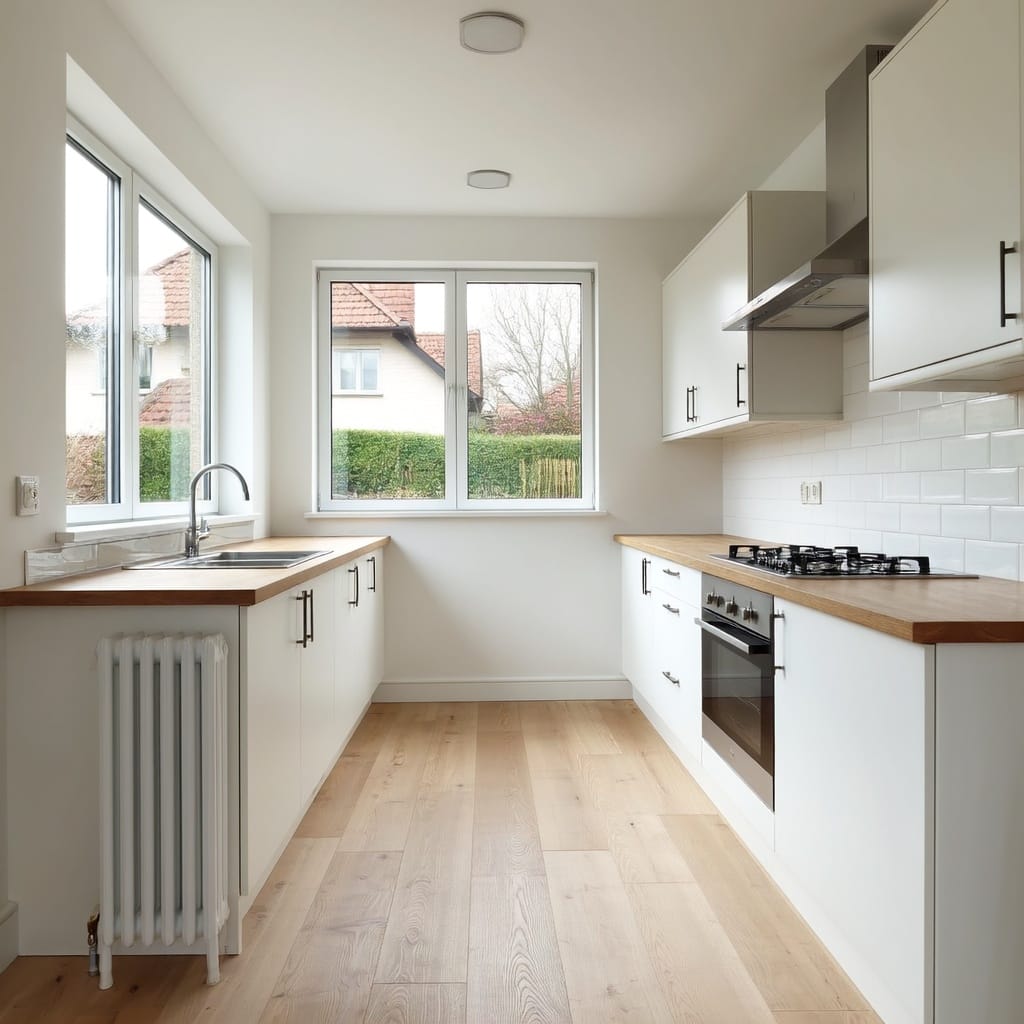
We recently worked on a renovated two-bedroom flat in Reading where new flooring had been installed and walls freshly painted. At first glance, the space looked clean, but once we started, dust was visible along skirting edges, inside radiators and around window seals. These are areas that are easy to miss but make a big difference once properly cleaned.
Timing also plays a role. If cleaning is done too soon after work is finished, dust can continue to settle, which affects the final result. In some cases, it’s better to wait until all work is fully completed before carrying out a full clean.
There are also limits to what cleaning can fix. Paint splashes or adhesive marks can often be reduced, but if materials have bonded with surfaces, full removal may not always be possible without causing damage. In those cases, we explain what can realistically be achieved.
This type of cleaning is ideal when you want to move back into a space or prepare it for use without dealing with leftover construction dust. Once done properly, it creates a clean baseline so the property can be maintained normally without ongoing dust issues.
Tell Us About the Property
Give us a quick idea of the size, condition and what areas need attention. Photos help if the job involves heavier build-up or end of tenancy cleaning.
Get a Clear Plan
We confirm what’s needed, how long it’s likely to take, and what level of cleaning is realistic based on the condition — no vague estimates.
Choose a Suitable Time
Pick a time that works for you. We’ll also check access, parking and anything that might affect the job on the day.
Cleaning Carried Out Properly
We arrive prepared and work through the property methodically, focusing on the areas that actually need attention, not just surface cleaning.

A lot of people expect that once the builders leave, a standard clean will finish the job. In reality, after renovation work in Reading properties, the type of dirt left behind behaves very differently. Fine dust from cutting tiles, sanding wood or drilling into walls doesn’t just sit on surfaces — it settles into gaps, edges and textured materials where it’s harder to remove.
At My Cleaners Reading, we approach this stage with more control and patience. Instead of rushing through rooms, the work is broken down so dust is lifted gradually. Floors are not just vacuumed once — they’re usually revisited after higher areas have been cleaned, because dust continues to fall as work progresses.
Windows are another area where problems show up. After building work, glass often has a thin film that becomes visible only in daylight. It’s not always obvious until you look from an angle. Removing this properly takes more than a quick wipe, especially if there are paint spots or fine debris stuck to the surface.
In Reading, we often deal with properties where multiple trades have been involved — painters, electricians, flooring installers — each leaving behind a different type of residue. On one recent job, a semi-detached house had a mix of plaster dust, adhesive marks from flooring and light paint splashes near skirting boards. None of these are difficult individually, but together they require a more methodical approach to avoid missing details.
Another factor is airflow. Properties that have been closed during renovation tend to hold dust in the air longer, which means surfaces can become dusty again even after cleaning. That’s why we often recommend allowing some ventilation time before the final clean, when possible.
It’s also worth noting that after builders cleaning isn’t about perfection — it’s about making the space properly usable again. Some marks, especially from heavy work, may remain if they’ve affected the material itself.
Once the cleaning is done properly, the difference is noticeable. The air feels clearer, surfaces stay cleaner for longer, and the space is ready to be used without ongoing dust settling after every movement.

We provide professional cleaning services across Reading and nearby areas, including Caversham, Tilehurst, Woodley and surrounding neighbourhoods. Access, parking and property type can vary across these locations, so we always plan the job based on the specific area and conditions.